
Your body goes through many changes during pregnancy and childbirth. After giving birth, it’s normal to need time to heal and regain strength. However, some new moms experience problems that don’t go away on their own.
Pelvic floor therapy after birth can help strengthen the pelvic floor, reduce pain, and support recovery. But how do you know if you need it? Let’s look at the signs and benefits of postpartum pelvic floor physical therapy.
What Is Pelvic Floor Therapy?
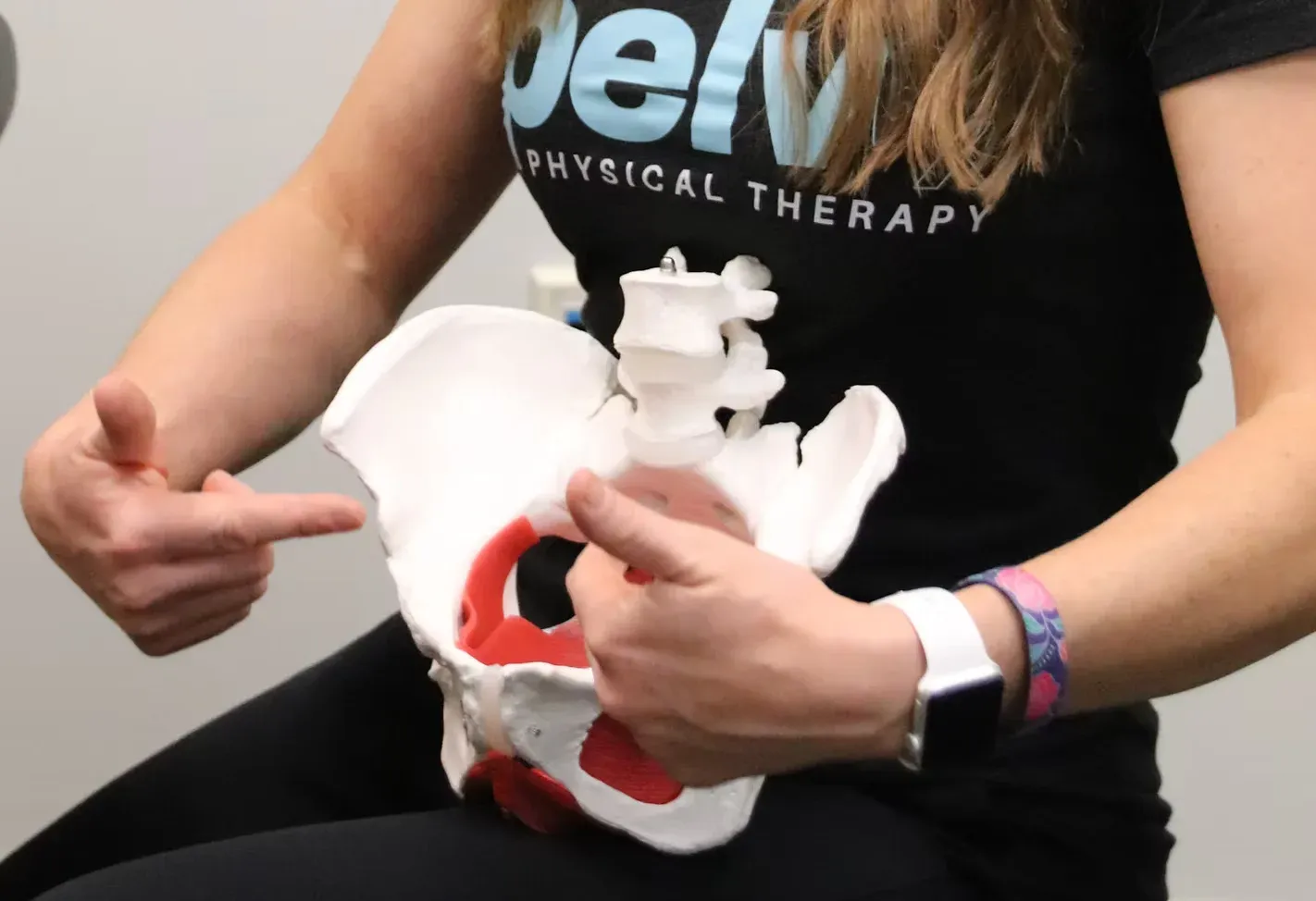
Your pelvic floor is a group of muscles that supports your bladder, uterus, and bowels. These muscles also help control bladder movements and support your core.
During pregnancy and childbirth, these muscles stretch and face added pressure. This can cause weakness, tightness, or trouble working correctly.
Pelvic floor physical therapy uses exercises, hands-on treatment, and guided movements to help these muscles function better. Treatment is based on your symptoms and recovery goals.
Signs You May Need Pelvic Floor Therapy After Birth
Not every new mom will have pelvic floor problems; however, it is advised all women seek pelvic floor physical therapy after having a baby to help the recovery process. Certain symptoms suggest it’s definitely time to see a physical therapist.
Common signs include:
- Bladder leakage: Leaking urine when you laugh, cough, sneeze, or exercise.
- Pelvic pain: Feeling pain or discomfort in your hips, pelvis, or lower back.
- Pelvic pressure: Feeling heaviness or pressure in your pelvic area.
- Pain during sex: Experiencing discomfort during intimacy after childbirth.
- Core weakness: Having trouble using your abdominal muscles during daily activities.
Although these symptoms are common after childbirth, you don’t have to accept them as a permanent part of motherhood.
Can Pelvic Floor Therapy Help After a C-Section?
Yes! Pelvic floor therapy isn’t just for moms who had a vaginal delivery. A C-section is major abdominal surgery and needs to be treated as such! After all, you wouldn’t skip physical therapy after other surgeries such as a rotator cuff repair, so why skip this for a C-section?
Pregnancy places pressure on your pelvic floor muscles regardless of how you give birth. Moms who have C-sections may also experience core weakness, scar tightness, and pelvic discomfort.
Postpartum physical therapy can help improve movement, rebuild strength, add scar tissue mobility, and make everyday activities more comfortable.
When Should You Start Postpartum Pelvic Floor Therapy?
Every postpartum recovery is different. Many women begin physical therapy 2-4 weeks after childbirth. Some wait until after their first postpartum checkup, often around six weeks after birth.
However, the best time depends on your symptoms, delivery experience, and healing progress. A physical therapist can work with your healthcare provider to determine when treatment is right for you.
You also don’t need to have serious symptoms to benefit from an evaluation. Pelvic floor therapy can help you understand your body and safely return to exercise.
Support Your Postpartum Recovery With pelvRX
Recovering after childbirth takes time, but you don’t have to do it alone.
At pelvRX in Frederick, MD, postpartum physical therapy focuses on helping new moms improve pelvic floor function, rebuild core strength, and return to daily activities with confidence.
Whether you’re dealing with bladder leakage, pelvic pain, or weakness after childbirth, the team at pelvRX offers personalized, one-on-one care based on your needs.
Ready to feel stronger and more comfortable after giving birth? Explore pelvRX’s postpartum physical therapy services to learn how their team can support your recovery.